India
Niti Aayog Drafts Gold Mining Blueprint to Cut India's Import Bill
The government think tank is working on incentives and regulatory reforms to draw investors into gold exploration, as imports stay stubbornly high.
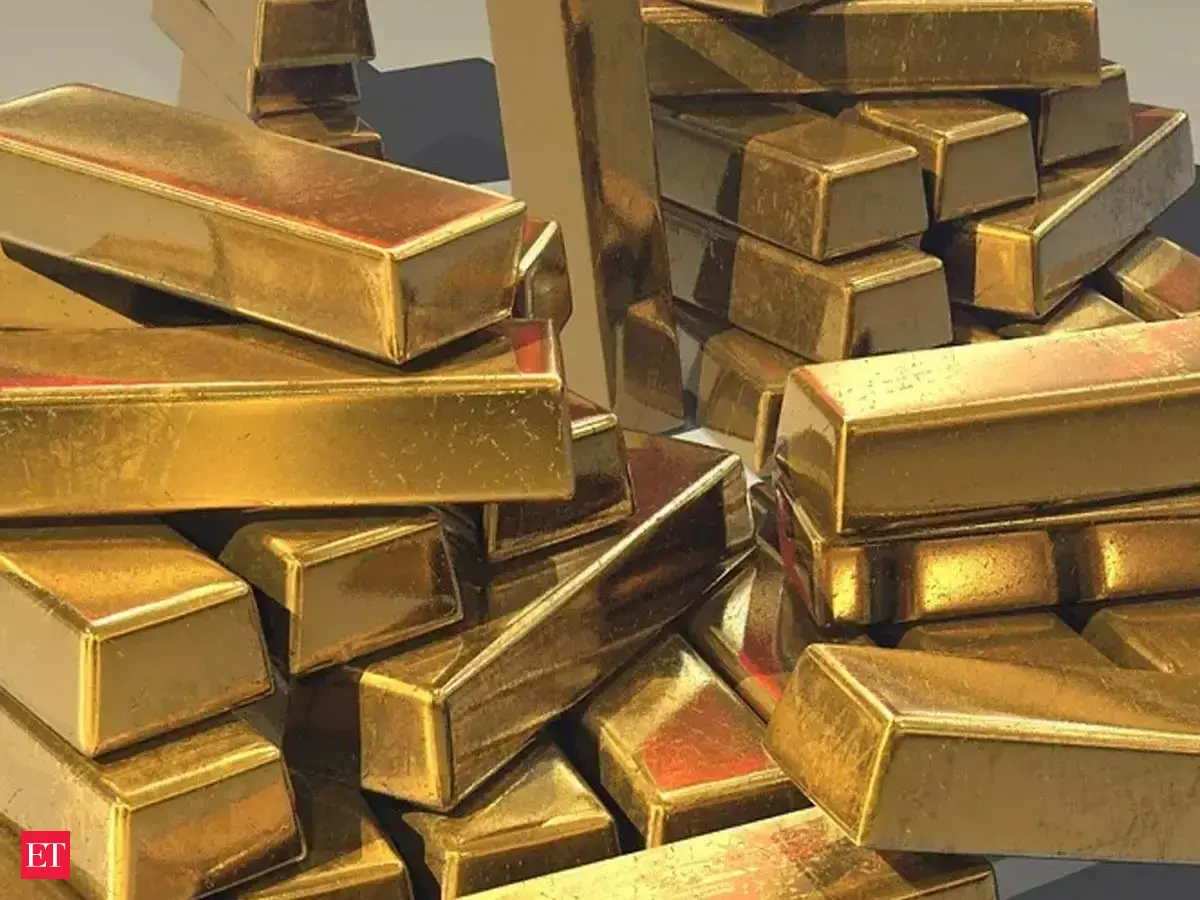
Niti Aayog is preparing a blueprint to boost gold exploration and mining in India, aiming to draw investment and reduce dependence on imported bullion, people aware of the deliberations told Economic Times.
The framework is likely to recommend fiscal incentives for gold mining. It may also propose long-term mining rights and a rating system for bidders, so that only technically competent players get projects and resources are developed sustainably, according to those people.
The plan would also try to speed up approvals through Centre-state coordination, adopt internationally accepted reporting standards to improve geological data, and build a predictable policy framework that makes projects easier to finance.
Why has gold mining not taken off? The sources cited gaps in geological data, limited exploration, long project timelines, flawed auction design and projects that are not commercially viable. Together, they say, these keep investors away.
Last week, Niti Aayog Vice Chairman Ashok Kumar Lahiri discussed a draft report titled 'India's Gold Mining Policy: Challenges, Learning and the Road Ahead'. It was prepared by Pahle India Foundation with support from the World Gold Council. The think tank has accepted the macro-level recommendations but wants more detail on identifying serious bidders, making projects financially viable and improving geospatial data, one source said.
The numbers explain the urgency. India has an estimated 501 to 518 million tonnes of primary gold ore resources, equal to roughly 600 to 607 tonnes of gold metal. Bihar holds the largest share at 44-45%, followed by Rajasthan (25%) and Karnataka (21%). West Bengal and Andhra Pradesh have 3% each, and Jharkhand 2%.
Imports remain heavy. Gold imports hit a record $71.98 billion (over 800 tonnes) in 2025-26, with Switzerland the largest source at 34-40%. They fell 39.9% year-on-year to $24.78 billion in April-October 2026 as global prices corrected below $4,000 per ounce. Even so, India remains the world's fifth-largest gold importer.
Read the original report: Economic Times.